Renovation
The Ten Percent of a Renovation That Decides How It Looks
Reveals, outlet alignment, caulk lines and switch heights arrive last and carry the finished impression. Budget punch-list time before it disappears.
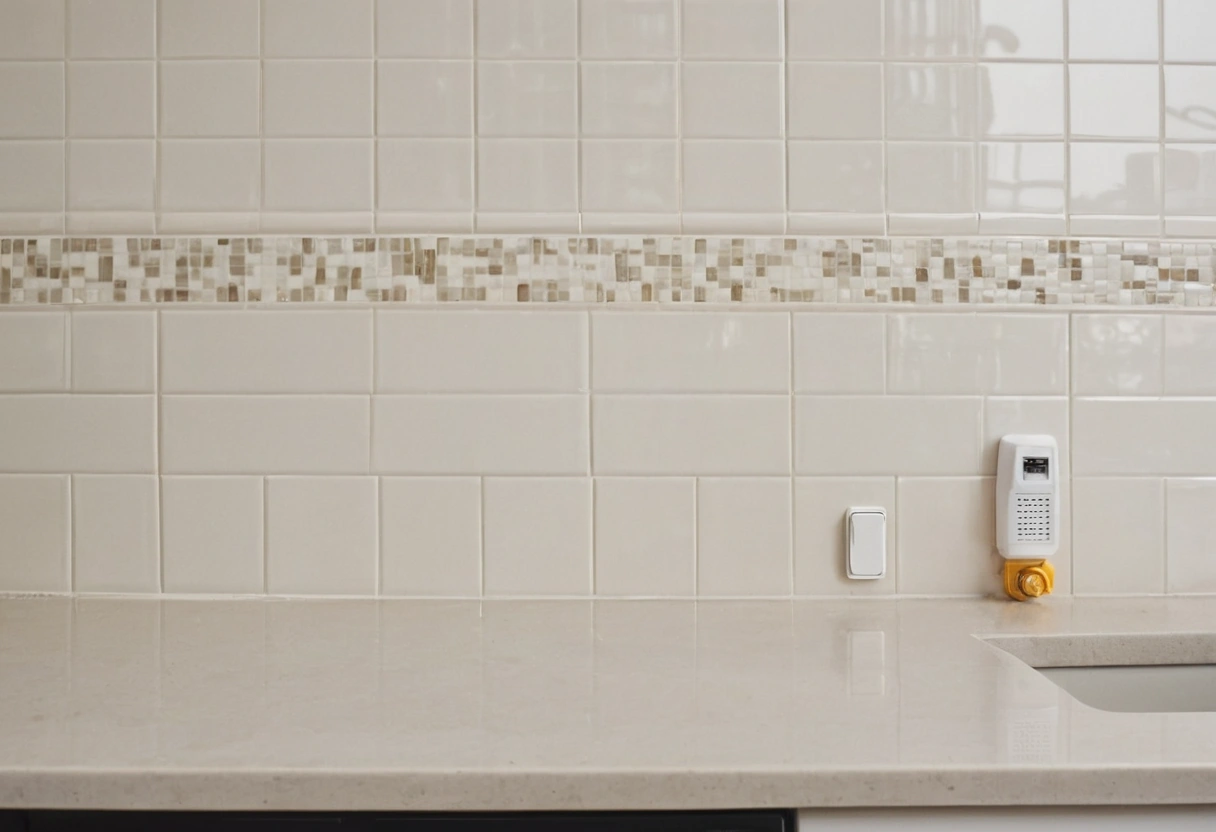
The last ten percent of a renovation carries the finished impression: reveals, caulk lines, outlet alignment, switch heights, door hardware and the way a floor transition lands. Those items arrive at the end of a schedule that has usually already slipped, which is why they get compressed into the days a household is most eager to move back in.
Two kitchens built to the same drawings can look years apart in quality, and the difference sits almost entirely in this final phase.
What details actually register as quality?
People read alignment before they read materials. A backsplash where the outlets line up with the tile courses reads expensive. The same backsplash with outlets cutting through tile at random heights reads cheap, even in identical stone.
- Outlet and switch alignment with tile courses, cabinet lines and each other.
- Consistent reveals where cabinet meets wall, where trim meets floor and where two materials meet.
- Caulk lines of even width, cut clean at the corners rather than smeared.
- Door hardware at a consistent height across the whole house, including the doors nobody uses.
- Floor transitions that land under a closed door rather than in the middle of an opening.
- Grout lines that continue around a corner instead of restarting.
People read alignment before they read materials.
Why do these items get missed?
They get missed because they are decided by different trades at different moments, and no single drawing shows them together. The electrician sets outlet heights during rough-in, months before the tile setter arrives. Unless someone tells the electrician where the tile courses will land, the alignment is luck.
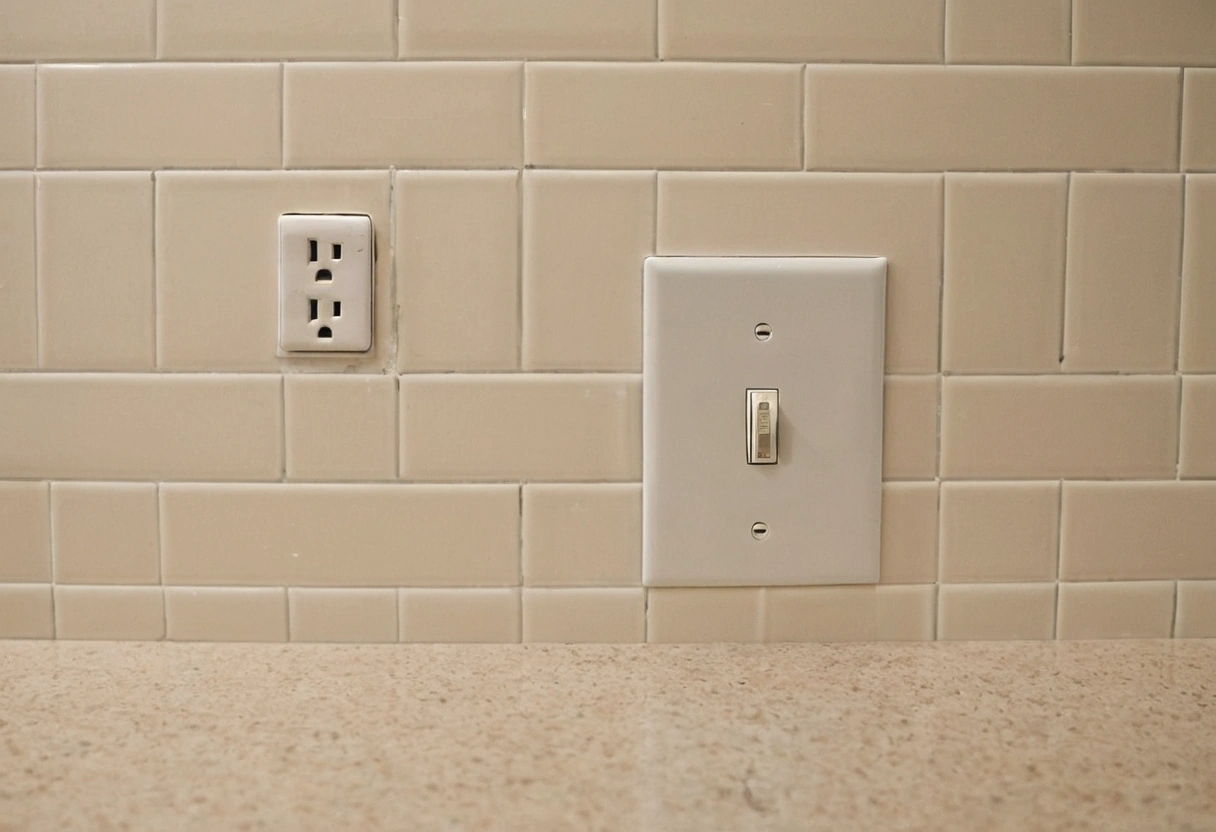
The fix is a coordination step at rough-in, not a correction at the end. A tile elevation drawn to scale, handed to the electrician before the wires go in, costs an hour and produces a backsplash that looks designed.
What belongs on a punch list?
| Category | How to check |
|---|---|
| Doors | Open every door to 45 degrees and release, then check it stays |
| Drawers | Pull every drawer fully and check gaps between fronts |
| Paint | Look at every wall with a raking light at night |
| Caulk | Run a finger along every joint, feeling for gaps and ridges |
| Plumbing | Run every fixture for two minutes and check under the cabinet |
| Electrical | Test every outlet and every switch, including the ones behind furniture |
| Tile | Tap tiles with a knuckle and listen for hollow sounds |
When should the punch walk happen?
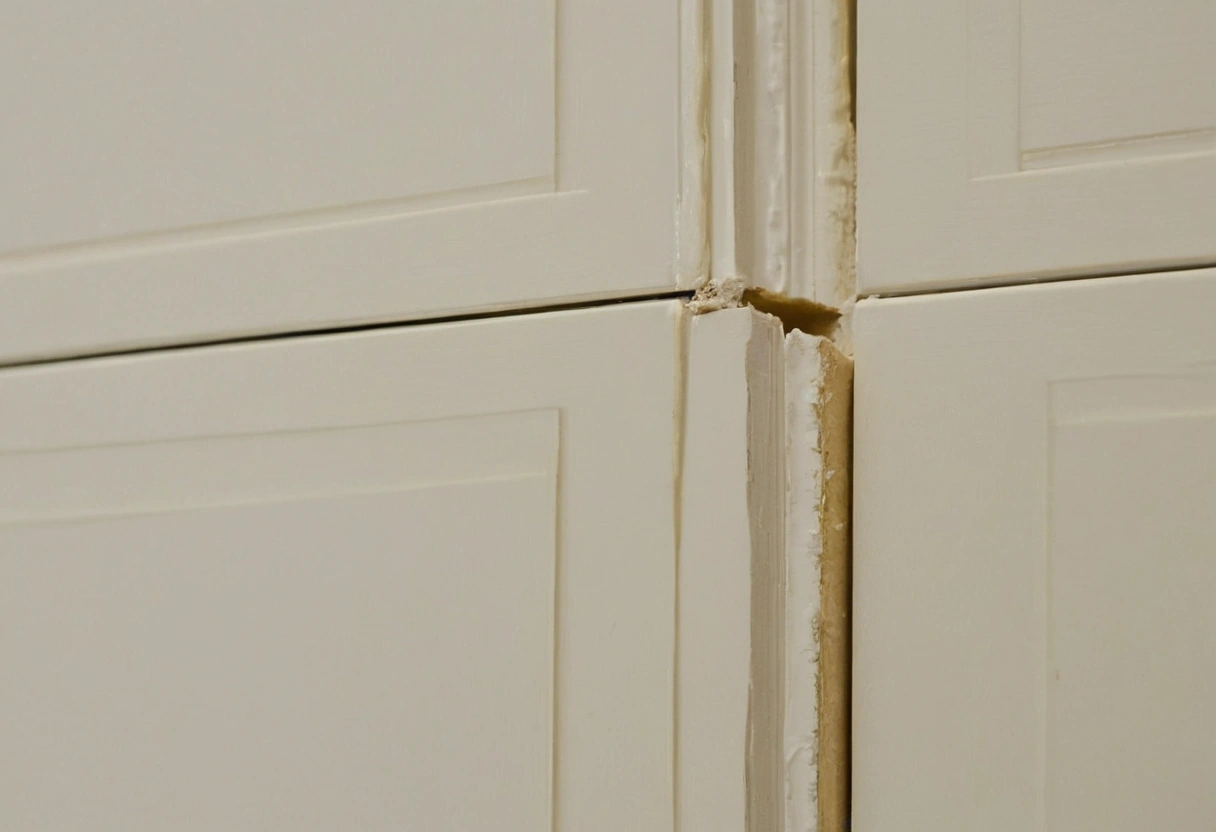
Do the punch walk before final payment and before the household moves furniture in. An empty room shows every defect, and a furnished room hides half of them. Do it in daylight for color and again at night with the room's own lighting for surface defects, since raking light from a lamp exposes drywall work and paint sheen that daylight flattens.
Photograph every item, number it, and send the list in one document rather than by text over three days. A single numbered list gets completed. A stream of messages gets partially completed.
How much time and money should be reserved?
Reserve 1 to 3 weeks at the end of the remodel schedule and 5 to 10 percent of the contract value for the punch phase. Contractors staff this phase lightly because it is unprofitable, so a homeowner who has already paid in full has nothing left to hold back. Holding a retainage of 5 to 10 percent until the punch list closes is standard practice and keeps the phase moving.
The items worth insisting on
- Touch-up paint left on site, labeled by room and sheen.
- Spare tile from the same lot, at least 5 percent of the order.
- Every appliance manual and model number in one folder.
- A photo set of the open walls before drywall, showing where wires and pipes run.
- Written warranty terms with a start date and a contact.
That fifth item is worth more than the first four combined, and it is the one most often skipped when a project ends on a Friday afternoon.