Materials
Reading a Paint Sheen Chart Before You Buy Five Gallons
Sheen decides scrubbability and how much wall texture shows. Matte hides drywall seams, eggshell survives hallways, semi-gloss belongs on trim and bath ceilings.
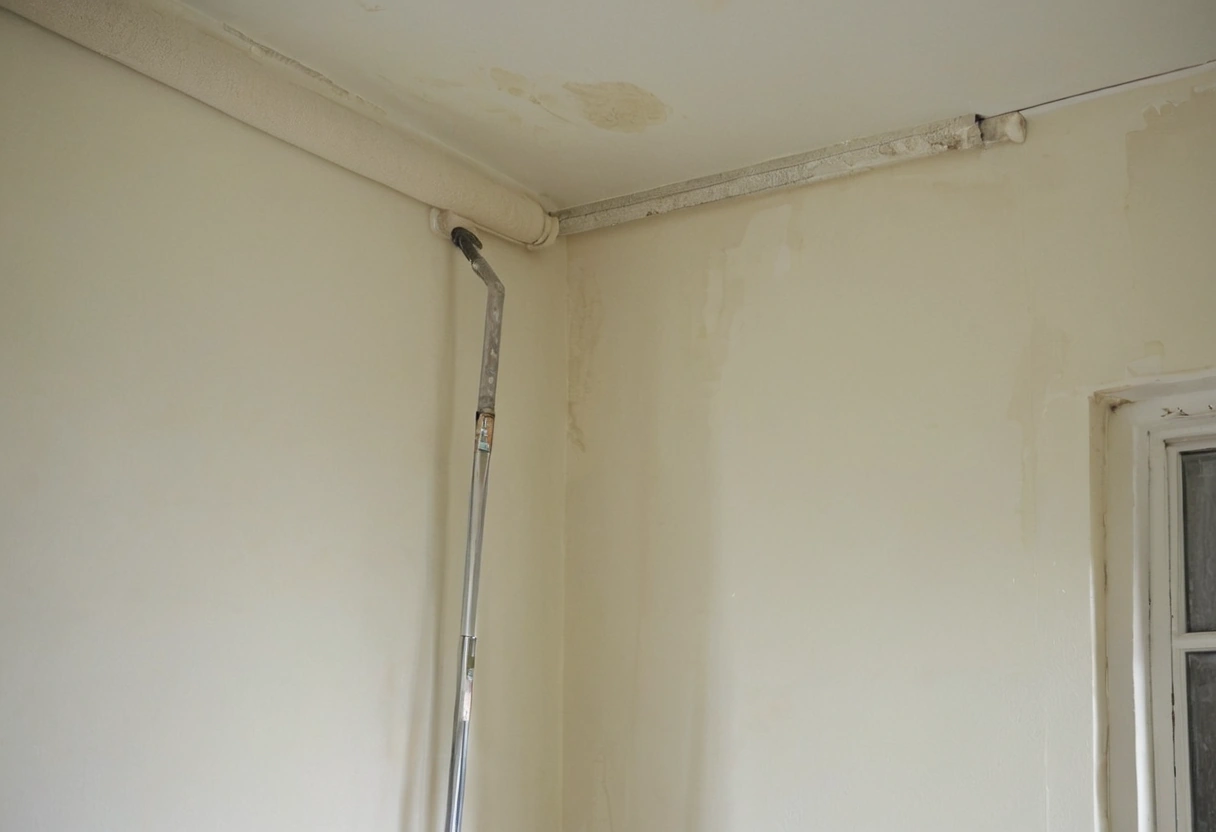
Paint sheen decides two things: how much wall texture shows and how well the surface takes scrubbing. Matte hides drywall seams and roller marks but marks easily, eggshell survives hallways and kids, satin belongs in bathrooms and kitchens, and semi-gloss belongs on trim, doors and bathroom ceilings.
Color gets all the attention at the paint counter. Sheen is the choice that decides whether a wall still looks acceptable in year three.
What do the sheen names actually mean?
Sheen describes how much light the cured film reflects, measured at a fixed angle. Manufacturers use different names for similar reflectance values, so a satin from one brand can sit near an eggshell from another. The reflectance range matters more than the marketing name.
| Sheen | Reflectance, approximate | Best use | Weakness |
|---|---|---|---|
| Flat / matte | 0 to 5 | Ceilings, low-traffic walls, walls with visible repairs | Burnishes when wiped |
| Eggshell | 10 to 25 | Living rooms, bedrooms, hallways | Shows lap marks if applied badly |
| Satin | 25 to 35 | Kitchens, bathrooms, kids' rooms | Highlights wall imperfections |
| Semi-gloss | 35 to 70 | Trim, doors, cabinets, bath ceilings | Shows every brush stroke |
| Gloss | 70 plus | Accent doors, furniture, railings | Requires near-perfect prep |
Which sheen hides bad drywall?
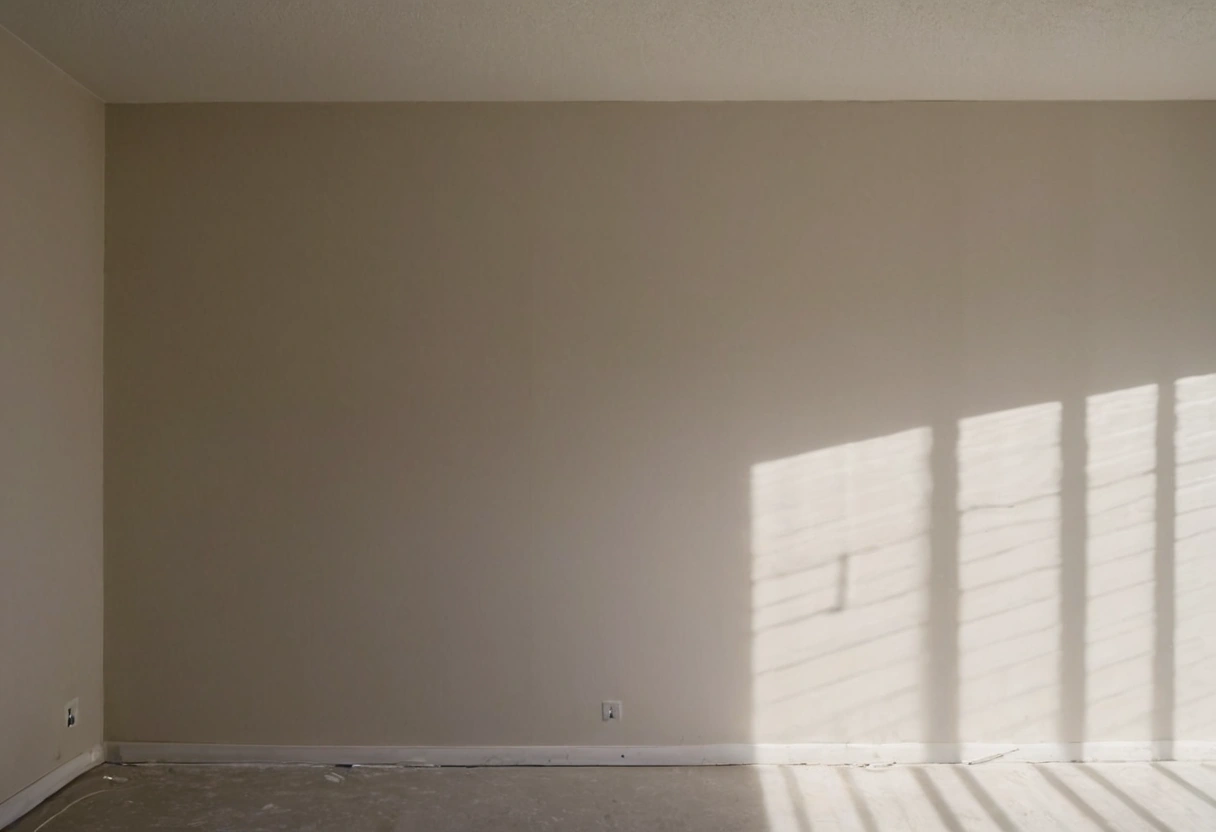
Matte hides the most, because it scatters light instead of reflecting it. A wall with visible seams, patched anchors or an uneven skim coat looks noticeably better in matte and noticeably worse in satin. Raking light from a window or a wall sconce doubles the effect, so a wall lit from the side needs a lower sheen than the same wall lit from the center of the room.
Sheen is the choice that decides whether a wall still looks acceptable in year three.
Do modern matte paints hold up to cleaning?
Premium matte and scuff-resistant matte products from major manufacturers now clean far better than the flat paint people remember from the 1990s. They still burnish, which means repeated scrubbing in one spot leaves a shiny patch even when the dirt comes off. For a hallway with a dog and a stroller, eggshell remains the safer choice.
The practical test is whether the household will wipe walls at all. A wall that never gets wiped can be matte anywhere. A wall beside a dining table gets wiped weekly and needs the extra film hardness.
What sheen goes on ceilings?
Flat goes on nearly every ceiling, because a ceiling catches light across its whole surface and any sheen makes framing and drywall joints visible. Bathrooms are the exception. A bathroom ceiling takes steam and benefits from satin or a dedicated bath product with mildew resistance.
Kitchens sit in between. A kitchen ceiling over a range collects grease film, and a flat ceiling there cannot be cleaned without leaving marks.
How much paint does a room take?
One gallon covers roughly 350 to 400 square feet per coat on primed drywall. A 12 by 14 foot room with 9 foot ceilings has roughly 468 square feet of wall area before subtracting openings, so two coats need close to 2.5 gallons. Buying 3 gallons and returning nothing is cheaper than running out mid-wall and buying a second batch that mixes slightly differently.
Buy all the paint for one room in one purchase, and if the job spans more than one gallon, box the paint by mixing the gallons together in a larger bucket first. Two gallons of the same color from different mixing dates can differ enough to show on a long wall.
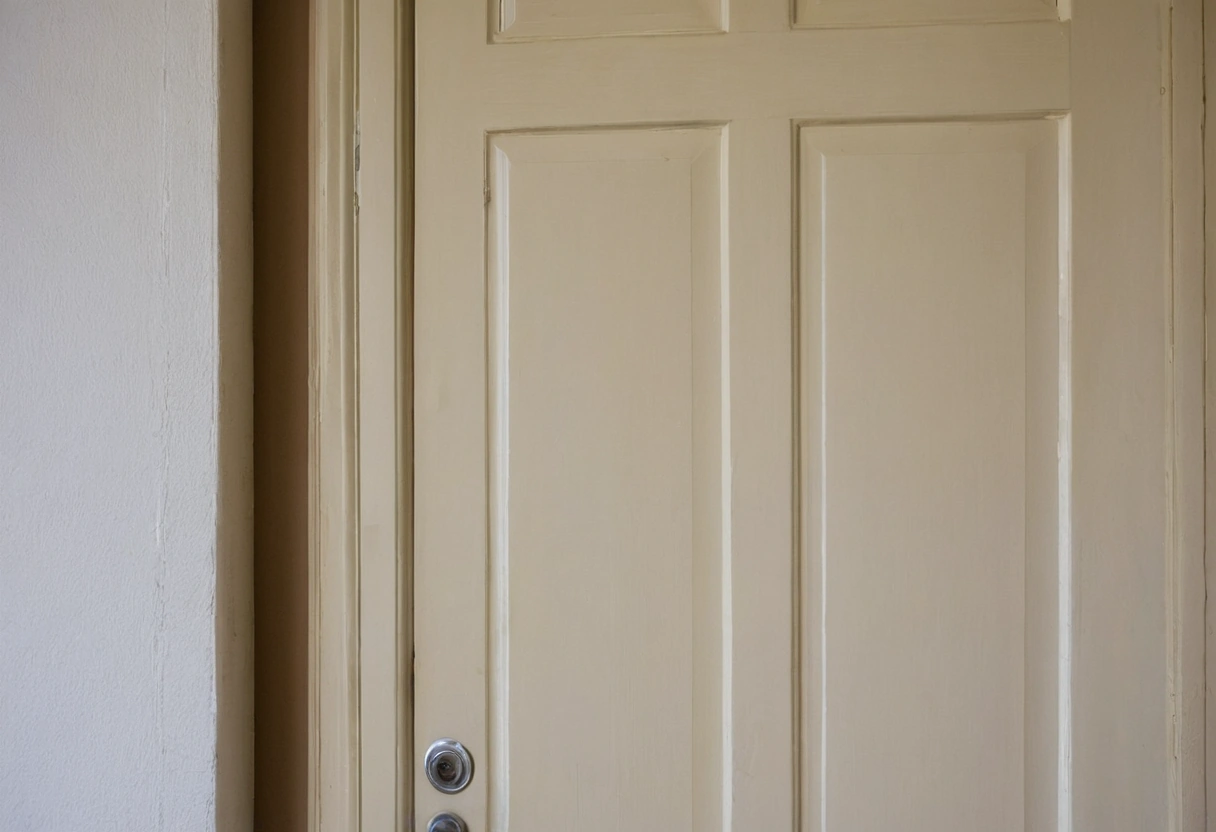
Where sheen changes should happen
- At an inside corner, never in the middle of a wall plane.
- At the wall-to-trim line, which is the standard eggshell-to-semi-gloss change.
- At the ceiling line, where flat meets the wall sheen.
- At a door casing when moving between a hallway sheen and a bathroom sheen.
How to test before committing five gallons
- Buy sample pots in the two candidate sheens, not just the two candidate colors.
- Paint two 2 foot squares on the actual wall, on the side that gets raking light.
- Let both cure for at least 48 hours, since sheen changes as the film cures.
- Look at both at night under the room's own lighting, not only in daylight.
- Scrub one square with a damp cloth 20 times and check for burnishing.
That test costs about 20 dollars and an evening. Repainting a room because the sheen was wrong costs a weekend and the price of the paint twice, and the same test applies to exterior paint colors.