Kitchens
Where the Trash Pull-Out Goes, and Why It Decides the Kitchen
A kitchen gets judged by the trip from cutting board to trash. Placing the pull-out first sets the sink, the dishwasher and the prep counter around it.
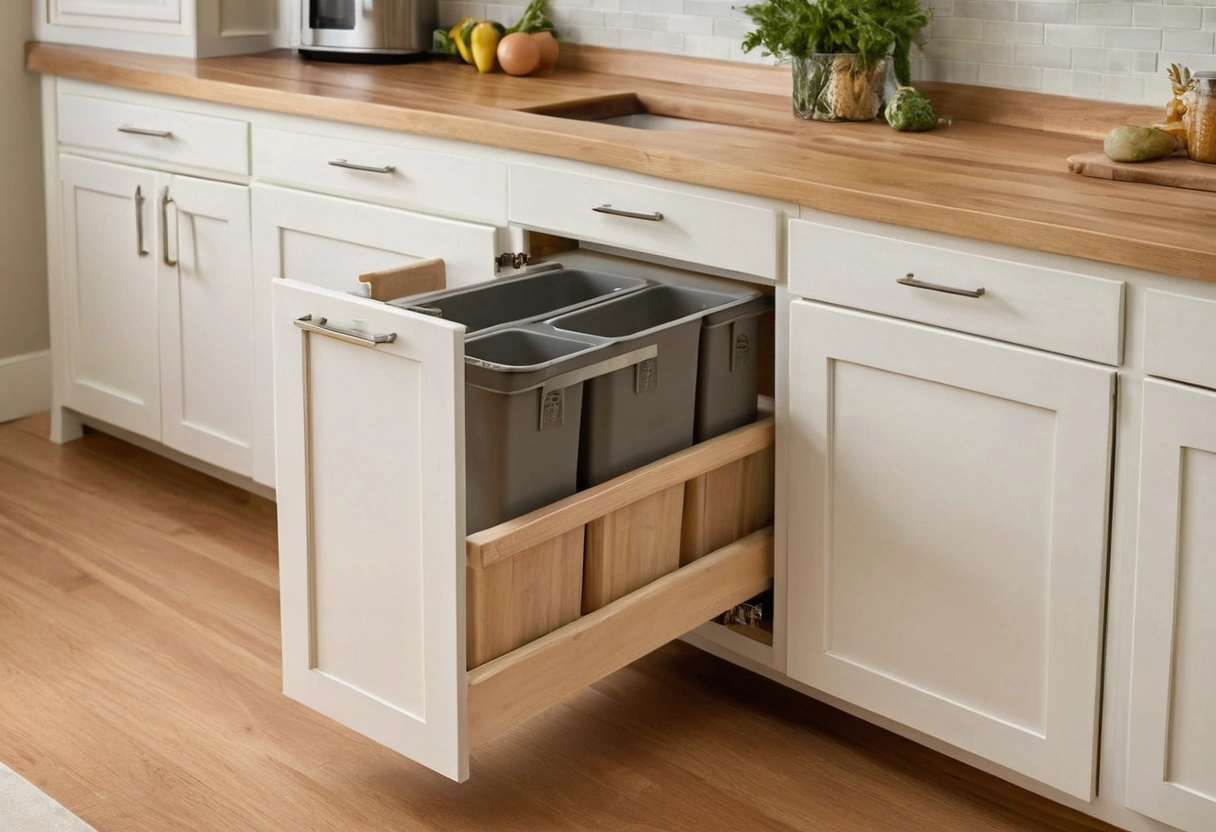
The trash pull-out belongs within one step of the primary prep counter and on the same side of the sink as the dishwasher. That placement shortens the scrape-and-load loop that a kitchen repeats twenty times a day, and it settles the position of the sink, the dishwasher and the main cutting surface around it.
Kitchen plans usually treat trash as leftover space. The cabinet designer fills the pretty runs first, then drops a pull-out wherever a 15 or 18 inch base cabinet survived. That is backwards. Trash is the most-used pull in the room after the refrigerator door.
Why does trash placement decide the rest of the kitchen?
Trash sits at the end of every prep task, so its position sets the direction a cook faces while working. Place the pull-out to the left of the sink and the natural prep counter lands to the left as well, which then pushes the dishwasher to the right so its open door never blocks the trash. One decision cascades into three.
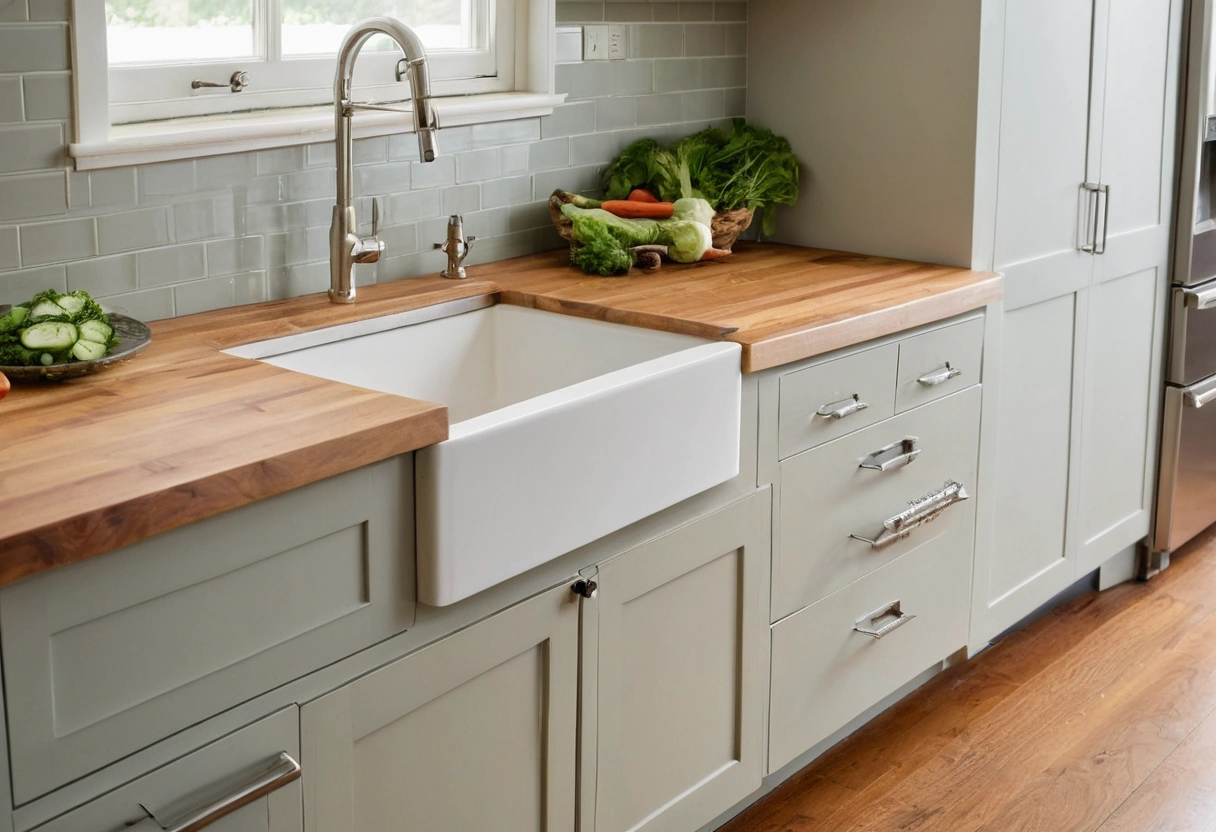
Watch a household cook for an evening and the loop is always the same: pull ingredients, prep on a board, sweep scraps into trash, rinse the board at the sink, load the dishwasher. Every step in that chain wants to be within a pivot rather than a walk. When trash lands across the aisle, that single walk repeats through the whole meal and again at cleanup.
Trash is the most-used pull in the kitchen after the refrigerator door, and most plans place it last.
How wide should a kitchen trash pull-out be?
An 18 inch base cabinet holds two standard bins side by side and suits a household that separates recycling. A 15 inch cabinet holds one full-size bin plus a narrow recycling bin. A 12 inch cabinet fits a single bin and turns recycling into a garage trip, which most households abandon by month three.
| Cabinet width | Typical configuration | Works for |
|---|---|---|
| 12 in | One bin, roughly 8 to 10 gallons | One or two people, frequent takeouts to the bin |
| 15 in | One full bin plus one narrow bin | Two to three people with light recycling |
| 18 in | Two bins, roughly 13 to 15 gallons each | Family of four, real recycling volume |
| 21 to 24 in | Two large bins plus a compost pail on the door | Households that cook from raw ingredients daily |
Bin volume matters less than trips to the curb. A household that fills a 13 gallon bag every two days is served better by two 13 gallon bins than by one 20 gallon bin, because the bag stays light enough to lift without tearing.
Should the trash pull-out go in the island?
An island trash pull-out works when the island holds the prep sink and the prep counter. It fails when the kitchen island is a seating and serving surface, because guests then sit two feet from the kitchen trash. Decide what the island is for before deciding whether trash belongs in it.
There is a second problem with island trash that plans rarely catch. An island pull-out opens into the aisle, and it opens at the exact spot where a second person walks behind the cook. That collision arrives about once per meal. If the island holds trash, keep the 48 inches of island clearance on that face.
What details make a trash pull-out last?
Three specifications separate a pull-out that still works in year eight from one that binds in year two:
- Full-extension undermount slides rated at 100 pounds. Trash cabinets carry more weight than any other base cabinet, and side-mount slides sag under it.
- A door-mounted rather than free-standing frame. The bins should travel with the door on one motion, because a two-motion opening gets skipped and the door gets left ajar.
- A removable bottom tray. Liquid escapes bags. A cabinet floor without a lift-out tray becomes a cleaning job people avoid.
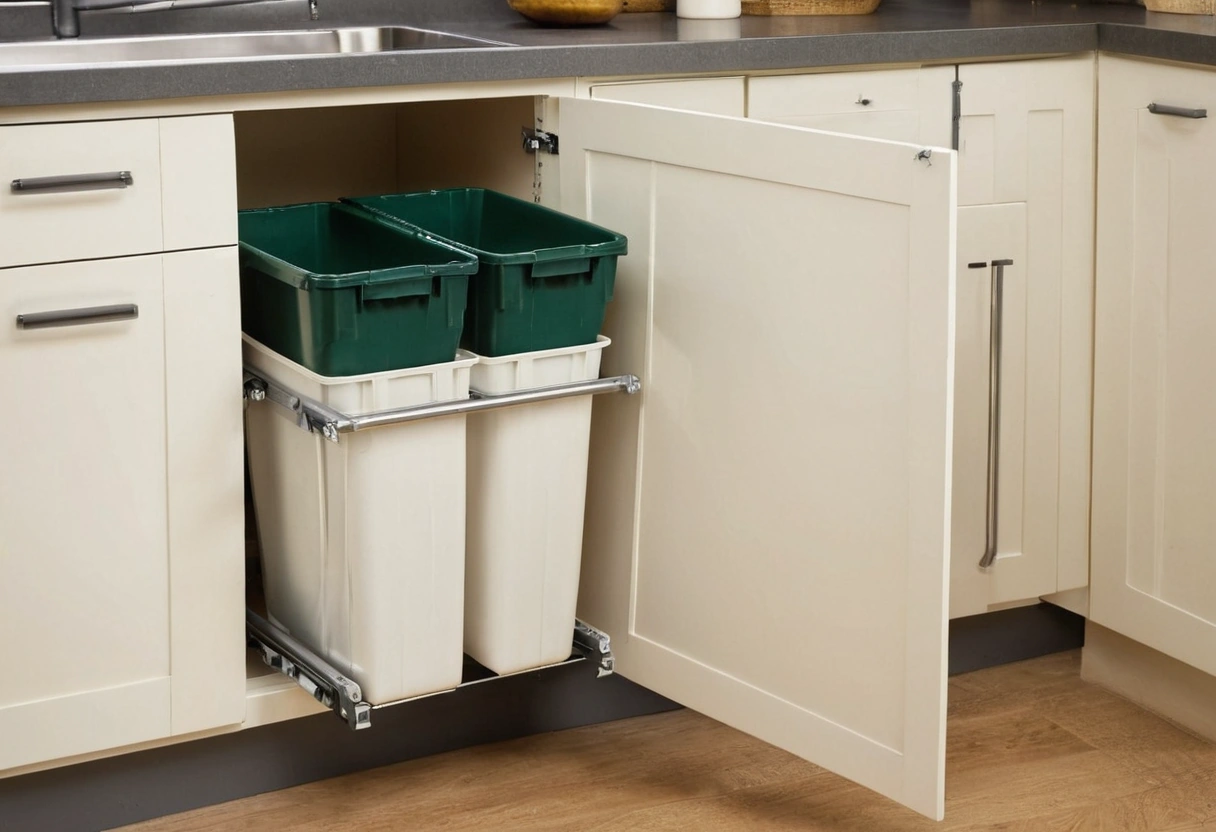
Soft-close hardware is worth the upcharge here more than anywhere else in the kitchen, because a loaded trash drawer slams harder than a drawer of dish towels.
Where does compost go in an American kitchen?
Compost works when the container sits on the counter or on the cabinet door, within arm's reach of the cutting board. A compost pail stored under the sink behind a cabinet door gets used for one week and then stops. Cities with curbside organics collection make the counter pail worth it, and cities without it usually do not.
The practical version for most households is a small lidded pail that lives at the back of the prep counter and gets emptied into the outdoor bin nightly. That arrangement survives contact with a real week. A drawer-integrated compost bin looks better in photographs and requires a second motion at the exact moment a cook has wet hands.
How to test a trash placement on paper
Stand at the planned prep counter position and count the body movements to complete one scrape. A good placement takes a pivot and a pull. A mediocre placement takes a pivot, a step and a pull. A bad placement takes two steps around an island corner.
Run the same count for loading the dishwasher from the sink, and for carrying a full bag from the cabinet past the pantry shelving to the exterior door. That third count is the one people forget. A trash cabinet on the far side of a kitchen island means every full bag crosses the room past the seating, and that path decides where drips land.