Storage
The Pantry Question Most Remodels Get Backwards
A walk-in pantry loses to shallow reach-in shelving in most American kitchens. Depth past 16 inches turns groceries into an archaeology problem.
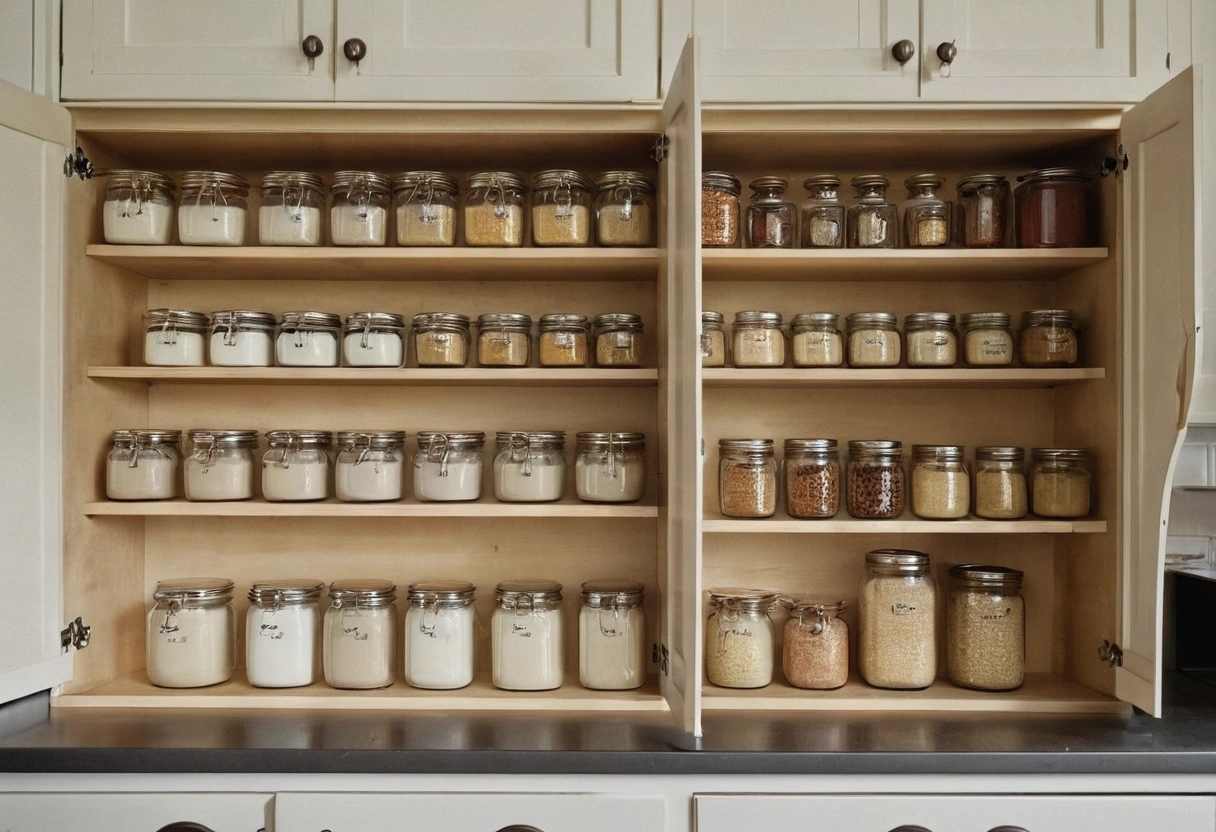
Shallow shelving beats a deep walk-in pantry in most American kitchens, because visibility decides whether food gets used. Shelves deeper than about 16 inches hide a back row that nobody rotates, and the household buys a second jar of something it already owns.
The walk-in pantry has become a listing feature rather than a storage decision. It takes floor area out of the kitchen that a kitchen island could have used and gives back space that only works if it is organized continuously.
Why does pantry depth matter more than pantry size?
A person retrieves what they can see without moving another item. At 12 to 14 inches of depth, every can, box and jar sits in one row and stays visible. At 24 inches, two rows exist and the back row becomes storage rather than a pantry. The rear items get discovered during a move.
| Shelf depth | Rows visible | Best for |
|---|---|---|
| 6 to 8 in | One, single file | Spices, cans, small jars |
| 12 to 14 in | One, everything visible | General dry goods, cereal, pasta |
| 16 to 18 in | One deep plus a hidden row | Bulk bags, appliances, paper goods |
| 24 in | Two, back row unseen | Bulk storage only, needs bins |
Depth past 16 inches turns groceries into an archaeology problem.
When does a walk-in pantry make sense?
A walk-in earns its floor area in three cases: a household that buys in warehouse-club quantities, a kitchen with no room for tall cabinetry along its walls, and a household that stores small appliances out of sight. In those cases, line the walk-in with shallow shelves on both sides rather than deep shelves on three sides.
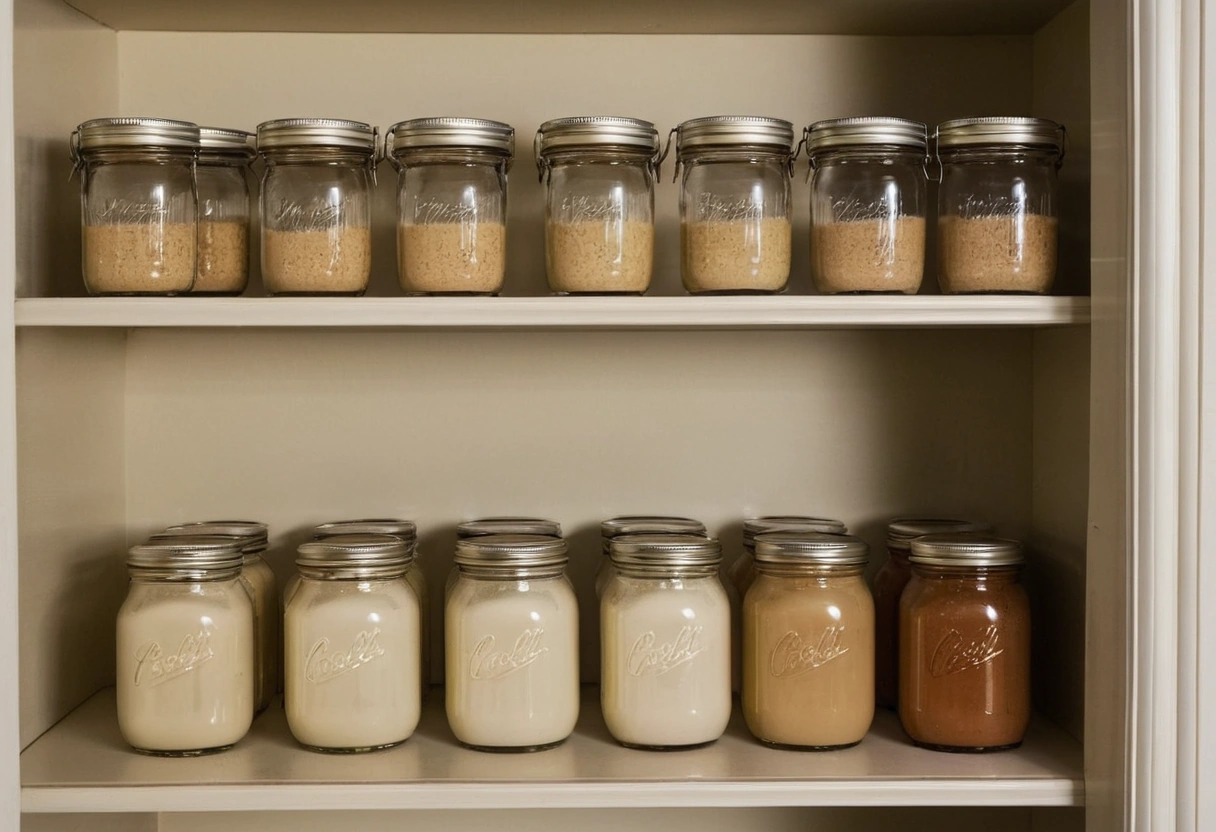
A 5 by 6 foot walk-in with 14 inch shelves on both long walls holds more visible inventory than the same room with 24 inch shelves on three walls, because the second arrangement buries most of what it holds.
What does a pantry cabinet do better than a closet?
A tall pantry cabinet with full-extension pull-out shelves brings its contents to the person instead of the reverse. Pull-outs cost more per linear foot than fixed shelves and eliminate the back row problem entirely, since the whole shelf comes out into the light.
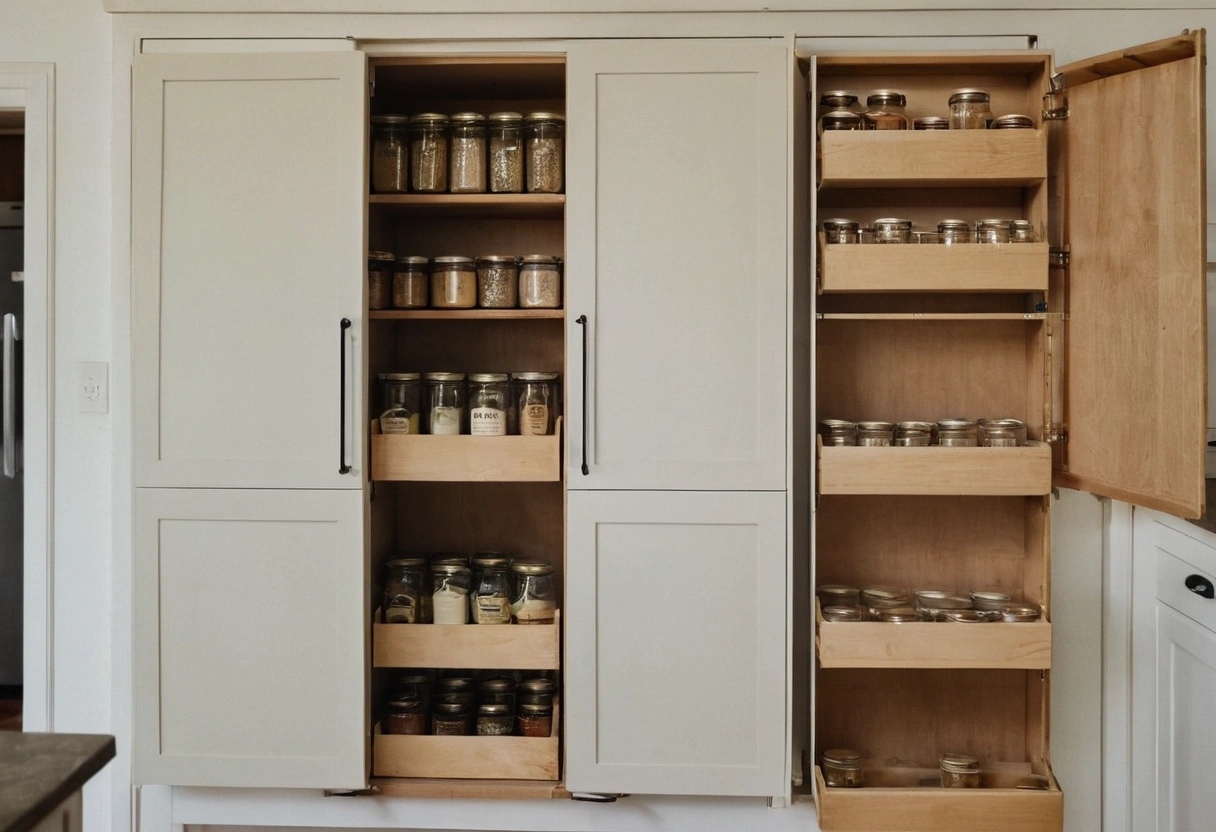
Two pantry cabinets flanking a refrigerator hold what most families need and keep the kitchen footprint intact. That arrangement also puts food storage next to cold storage, which shortens unpacking after a grocery run.
How much pantry storage does a family need?
A useful planning figure is 18 to 24 linear feet of shelving for a family of four that cooks at home most nights, counting only shelves at usable depths. That translates to two 24 inch tall cabinets with five shelves each, or one 5 by 6 foot walk-in lined on two walls.
Households that shop weekly need less than households that shop monthly. Climate matters too, since a household in a hurricane or blizzard region keeps a two week reserve that has to live somewhere.
What ruins a pantry after move-in?
- Fixed shelf spacing. Cereal boxes and stock pots need different heights, so adjustable shelf pins matter more than shelf material.
- No landing counter. A pantry with nowhere to set a bag forces unloading on the floor.
- No light inside. A door-switched light costs little at rough-in and decides whether the back of the shelf gets used.
- Doors that block traffic. A pantry door swinging into the main kitchen aisle collides with the refrigerator door and with the trash pull-out.
- Storing appliances at eye level. Heavy items belong between knee and shoulder height, and light bulk goes high.
The test to run before framing a pantry
Empty the current pantry onto a table and sort it into three piles: items used weekly, items used monthly, items used twice a year. Measure the linear feet each pile needs at 14 inch depth. Plan visible shallow storage for the first two piles and put the third pile anywhere, including a garage shelf. Most kitchens discover the weekly pile is smaller than they expected, and the monthly pile is what actually needs the room.