Color
Choosing Exterior Paint Colors That Work With Your Roof
Exterior color starts with the roof and the masonry, the two elements nobody repaints. Undertone matching keeps a body color from turning pink at noon.
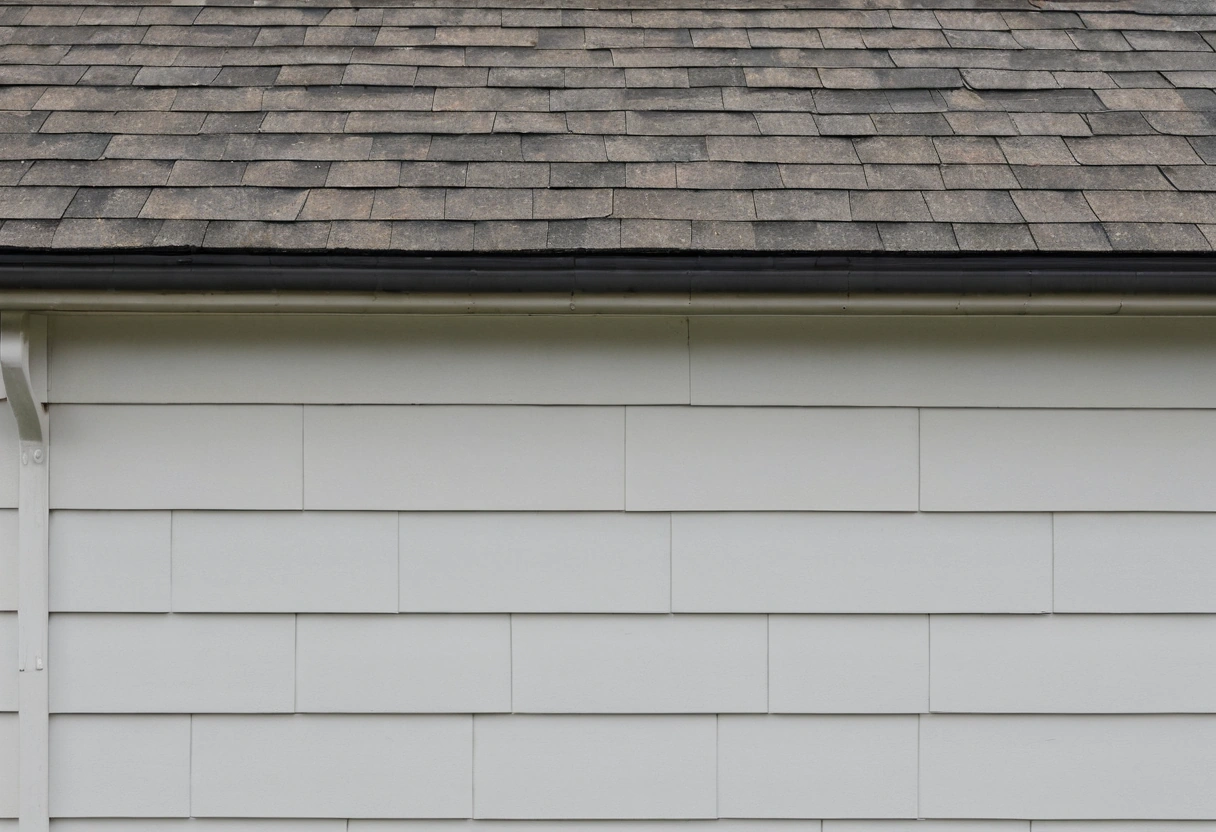
Exterior color starts with the two elements nobody repaints: the roof and the masonry. A body color has to share an undertone with both, or the house reads mismatched from the curb no matter how good the color looks on a chip. A brown asphalt roof pushes toward warm body colors, and a blue-grey roof pushes toward cool ones.
The most common exterior paint regret is a body color chosen indoors, against a white wall, without the roof in the frame.
How do you find the roof and masonry undertone?
Hold a pure white card against the roof and against the brick or stone in open shade. The white card gives the eye a neutral reference, and the undertone appears as a cast: warm brown, red, olive, blue-grey or true grey. Judge in shade rather than direct sun, since direct sun washes the cast out.
| Fixed element | Undertone | Body colors that work |
|---|---|---|
| Brown asphalt shingle | Warm brown, sometimes olive | Warm white, greige, olive green, muted gold |
| Charcoal or slate shingle | Cool grey, blue | Cool white, blue-grey, deep navy, black |
| Weathered wood shingle | Grey with warm undertone | Soft greige, muted sage, warm white |
| Red or orange brick | Red, orange | Creamy white, deep green, warm charcoal |
| Buff or tan brick | Yellow, warm grey | Warm white, taupe, bronze green |
| Terracotta tile roof | Orange, warm red | Warm white, sand, olive, deep brown |
The most common exterior paint regret is a body color chosen indoors, against a white wall, without the roof in the frame.
Why do exterior colors read lighter outside?
Outdoor light is far brighter than interior light, and it comes from every direction at once. A color that reads mid-tone on a chip indoors reads two or three steps lighter on a full wall in daylight. The standard correction is to select a color one to two steps darker than the chip that looked right indoors.
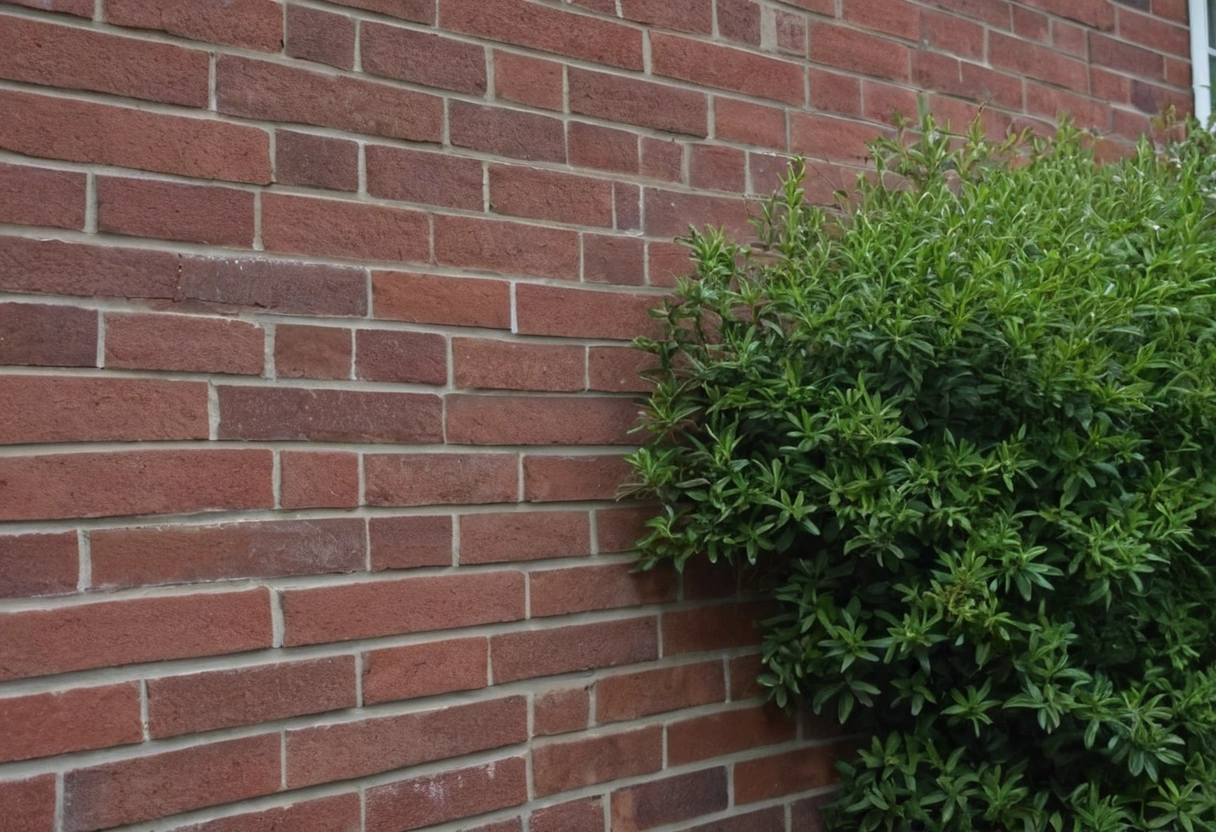
Scale amplifies the same effect. A color covering 1,500 square feet of siding reads more saturated than the same color on a 2 inch chip, so a color that seems slightly muted on a chip often lands correctly on the house.
How should exterior samples be tested?
Paint sample squares at least 2 feet by 2 feet directly on the siding, on at least two elevations, and look at all of them at three times of day. The north elevation stays in shade and shows the color's true undertone. The south elevation gets direct sun and shows how far the color washes out.
Keep every sample square within sight of the roof and the masonry, since the comparison is the entire point. A sample painted on a detached board and held up loses the adjacency that decides the choice.
What about trim and accent colors?
- Trim works at 3 to 5 steps lighter or darker than the body, since a small step reads as a mistake rather than a decision.
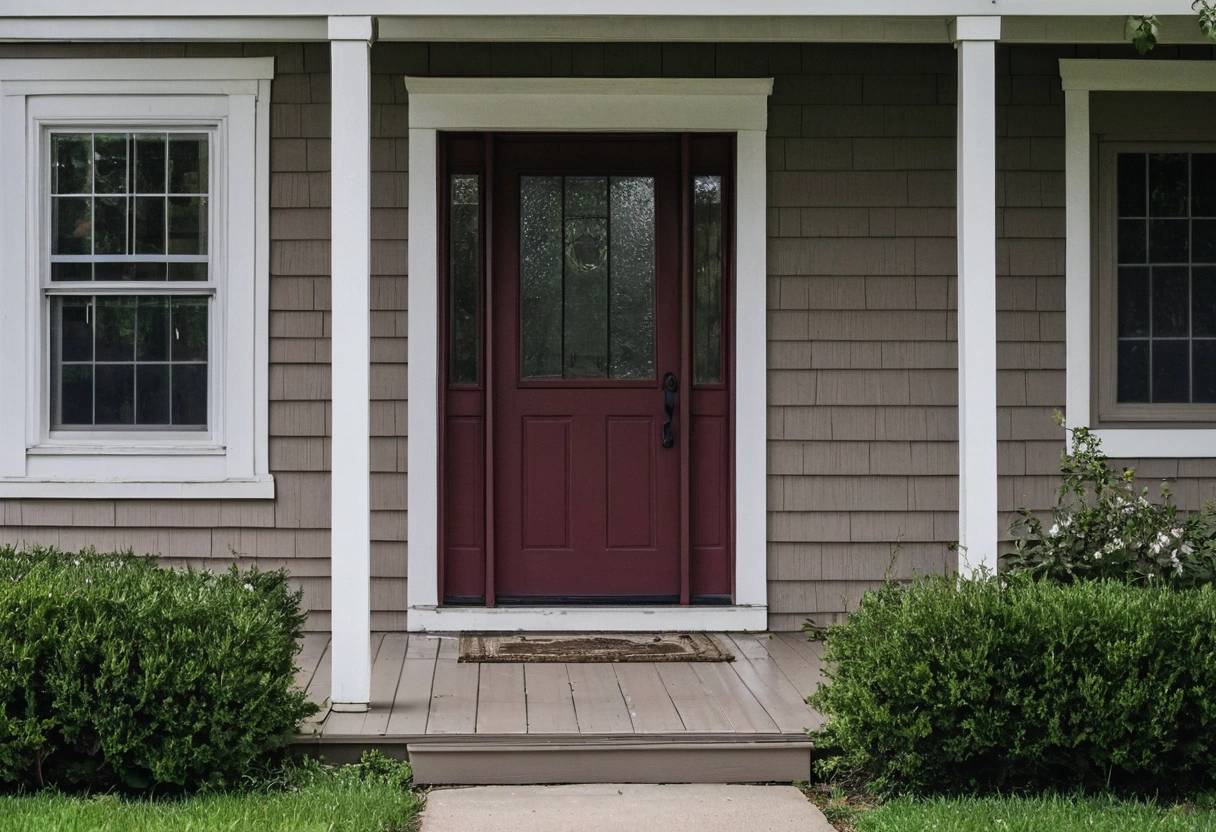
- Front door can carry saturation the body cannot, because it is small and it is where the eye lands.
- Gutters and downspouts should match the trim or the body, whichever they touch more, so they disappear.
- Window sashes painted darker than the trim make the openings read as intentional shapes.
- Garage doors painted the body color rather than the trim color shrink the visual weight of the garage.
What sheen belongs on an exterior?
Exterior sheen follows the same logic as an interior paint sheen chart. Flat and low-lustre sheens hide siding imperfections and lap seams, and satin sheens on trim and doors shed dirt and take washing. Full gloss on exterior trim highlights every wave in older wood and is usually reserved for doors and railings.
In climates with heavy sun exposure, ask the manufacturer about the specific product's fade resistance rather than the sheen. Deep saturated colors fade fastest, and a deep color on a south elevation may need repainting years before the north side does.
The order to decide in
- Identify the roof undertone and the masonry undertone with a white card in shade.
- Shortlist body colors that share one of those undertones.
- Paint 2 by 2 foot samples on at least two elevations.
- Review at morning, midday and evening light, from the street rather than from arm's length.
- Choose trim and door colors last, against the selected body color on the actual wall.
An exterior chosen in that order rarely needs a second attempt. An exterior chosen from a chip at the paint counter is the reason houses get repainted twice in five years, and the repaint always lands in the punch list phase when nobody has time for it.