Materials
Quartz vs Quartzite vs Granite for an American Kitchen
Three countertop materials, three maintenance contracts. Quartz resists stains but scorches, quartzite takes heat and needs sealing, granite sits between them.
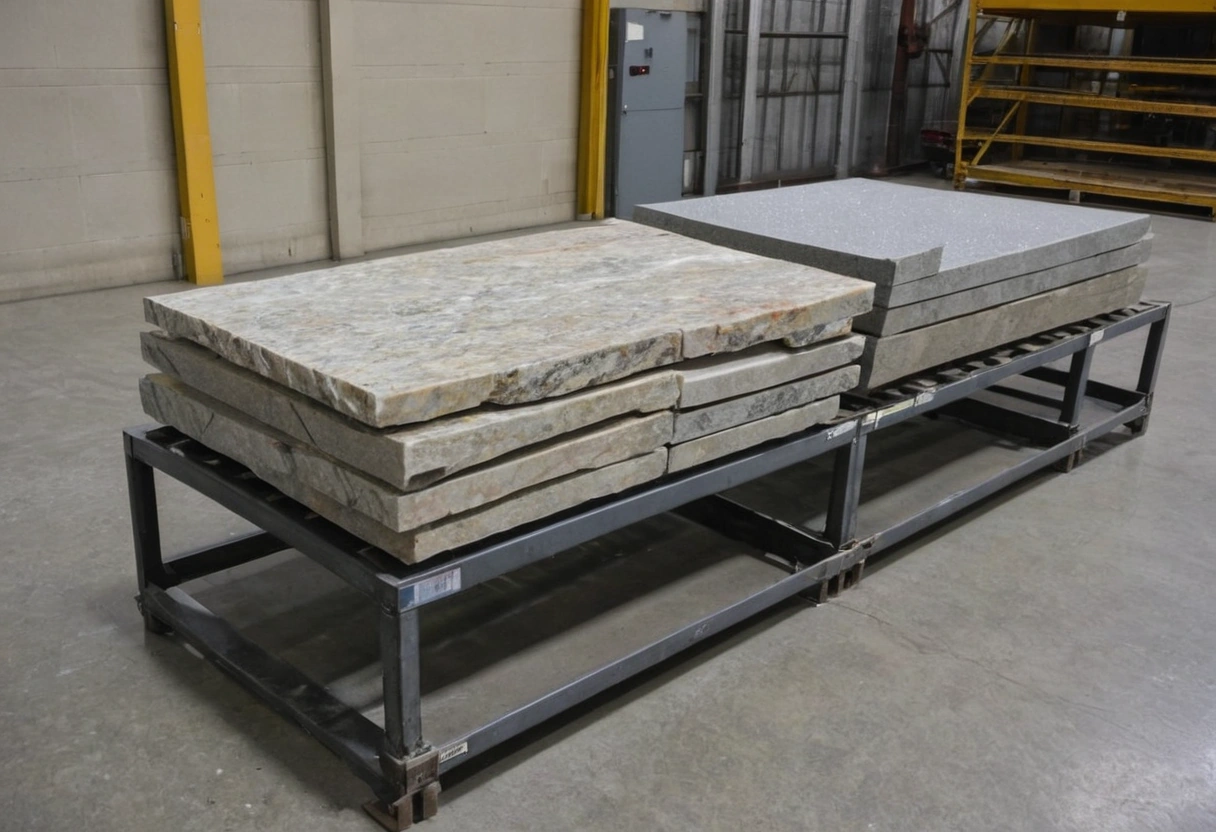
Quartz, quartzite and granite differ mainly in what they tolerate. Engineered quartz resists stains without sealing but scorches under a hot pan. Natural quartzite handles heat and scratches well and needs periodic sealing. Granite sits between them, taking heat comfortably and needing sealing on lighter stones.
The names confuse people for a good reason. Quartz and quartzite sound like the same product and behave differently in every way that matters to a kitchen.
What is the difference between quartz and quartzite?
Engineered quartz is a manufactured slab, roughly 90 percent ground natural quartz bound with polymer resin and pigment. Quartzite is a natural stone quarried in slabs, formed when sandstone recrystallizes under heat and pressure. The resin in engineered quartz is what makes it non-porous, and the same resin is what makes it vulnerable to heat.
| Property | Engineered quartz | Quartzite | Granite |
|---|---|---|---|
| Sealing required | No | Yes, typically annually | Usually, varies by stone |
| Stain resistance | High | Moderate when sealed | Moderate to high when sealed |
| Heat tolerance | Low, resin discolors | High | High |
| Scratch resistance | Good | Very good | Very good |
| Pattern consistency | Consistent between slabs | Varies slab to slab | Varies slab to slab |
| UV stability | Poor on most products | Good | Good |
The resin that makes engineered quartz stain-proof is the same resin that fails under a hot pan.
Which countertop suits a household that cooks daily?
A household that moves pans directly from burner to counter is better served by quartzite or granite, since both take direct heat from cookware without discoloring. A household that prioritizes wine, coffee and tomato resistance over heat is better served by engineered quartz, which shrugs off staining without any maintenance schedule.
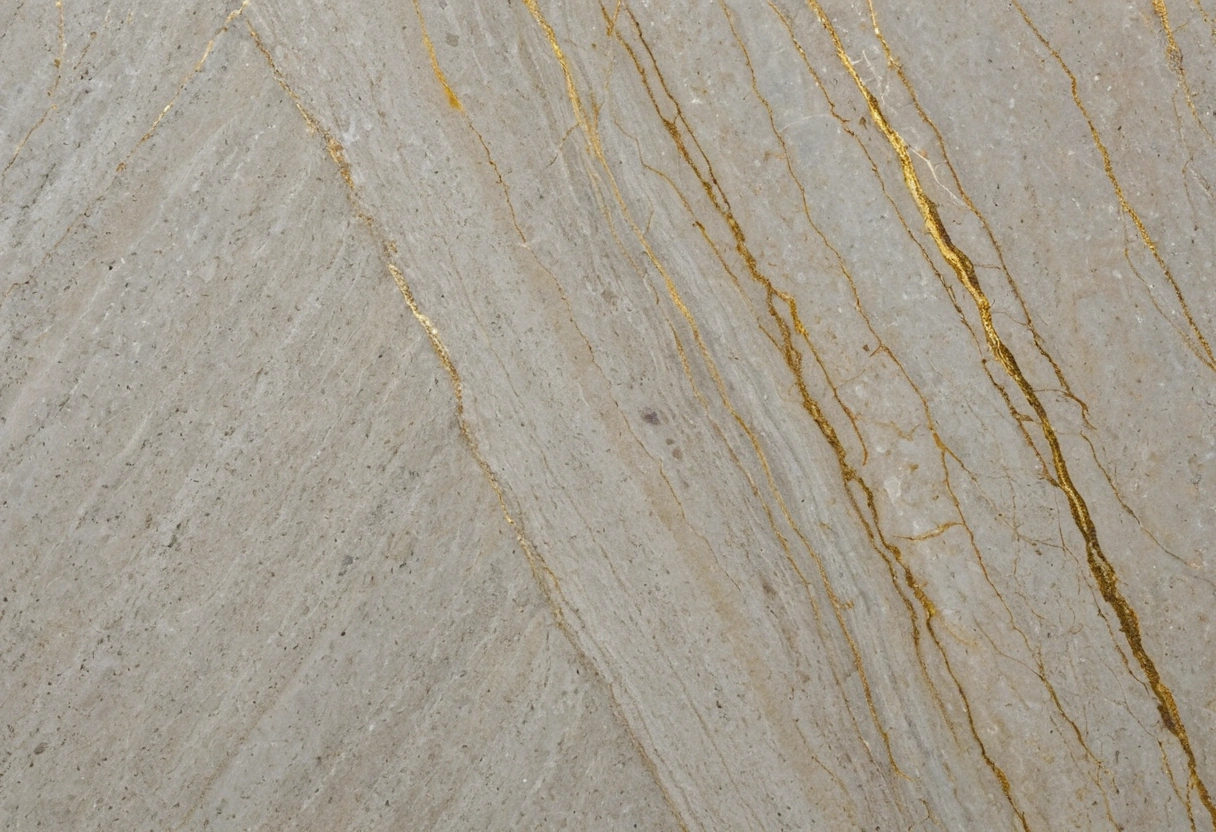
The honest version is that both camps use a trivet. The difference is what happens the one time somebody forgets.
Does engineered quartz belong outdoors or in a sunny kitchen?
Most engineered quartz products carry a manufacturer warning against continuous direct sunlight, because ultraviolet exposure yellows the resin and the color shift is permanent. A kitchen with a south-facing window that puts direct sun on the counter for hours is a case for natural stone, or for a quartz product specifically rated for exterior use.
Outdoor kitchens sit clearly in natural stone territory. Granite handles freeze and thaw cycles and sunlight without a warranty conversation.
How much does sealing actually cost in effort?
Sealing a natural stone counter is a 20 minute job once a year: clean the surface, wipe on an impregnating sealer, let it dwell for the stated time, buff off the excess. The test for whether a counter needs sealing is a water drop left for 15 minutes. If the stone darkens under the drop, it needs sealer.
Sealing does not make stone stain-proof. It buys time for a spill to get wiped up. Red wine on unsealed marble stains in minutes, and red wine on sealed quartzite gives a household most of an evening.
What about marble, soapstone and butcher block?
- Marble etches on contact with acid, which means lemon juice leaves a dull mark independent of any stain. Marble suits households that accept patina and suits pastry work, where its coolness earns its keep.
- Soapstone takes heat better than anything else on this list, does not etch, and scratches easily. Owners oil it to even the color and sand out scratches with fine paper.
- Butcher block works well as a secondary surface on an island or a baking station, and it needs oiling and cannot live around a sink without careful sealing at the edges.
What to ask at the stone yard
- Ask to see the actual slabs reserved for the job, since natural stone varies and photographs do not represent a specific slab.
- Ask where the seams will fall and see them drawn on the slab, not described.
- Ask the fabricator for the edge profile in a physical sample, since a rendering hides how thick the counter reads.
- For engineered quartz, ask for the manufacturer heat and UV language in writing.
- Ask what the fabricator charges to template again if a kitchen island moves, since that fee decides whether a late change is affordable.
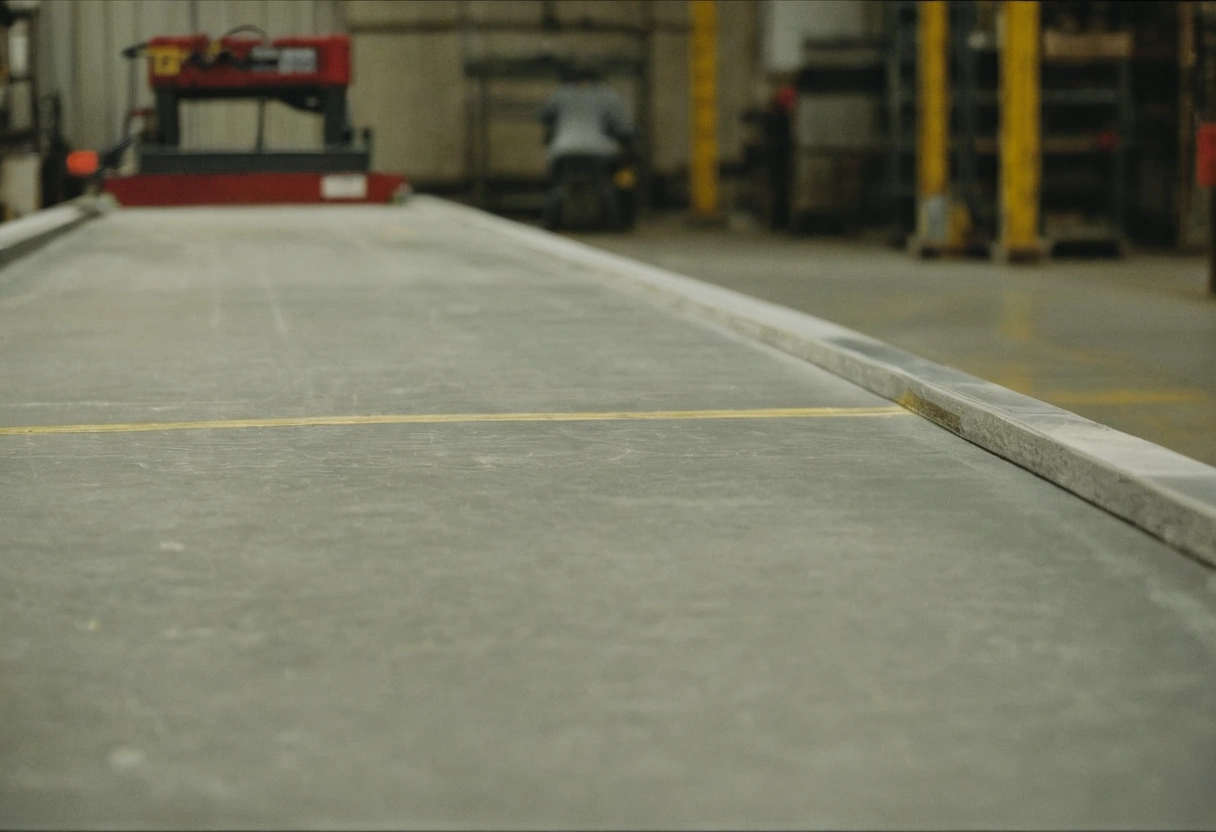
Template happens after cabinets are installed, and it is the moment a kitchen becomes final on the remodel timeline. Everything decided before template can still move, and everything after it costs a new slab.